Sitting amazingly deep inside rows and rows of wooden houses is an attractive historical complex by the Perak River.
Welcome to Pasir Salak Historical Complex, Perak Tengah District.
Pasir Salak is about 50 meters south of Ipoh. This complex is the exact location where J. W. W. Birch, the first British resident of Perak was assasinated in 1875. He was speared to death while bathing!
The complex is free for anyone to roam around. The gardens are beautifully maintained and sitting by the Perak river, it makes the place romantic and serene. There is one museum called the Time Tunnel in the complex which I highly recommend all to visit. This is the only building which cost RM4 per person to enter. This Time Tunnel museum is intriguing. It is so nicely designed chronologically, a visitor would be able to learn about the history of Pasir Salak via the interesting dioramas that were set up. I loved it!
Watch tower
Sundial
The Time Tunnel Museum
The entrance of the Time Tunnel Museum. Taking photographs are not allowed in here. Just enjoy, read and learn.
The grounds
Old Malay houses
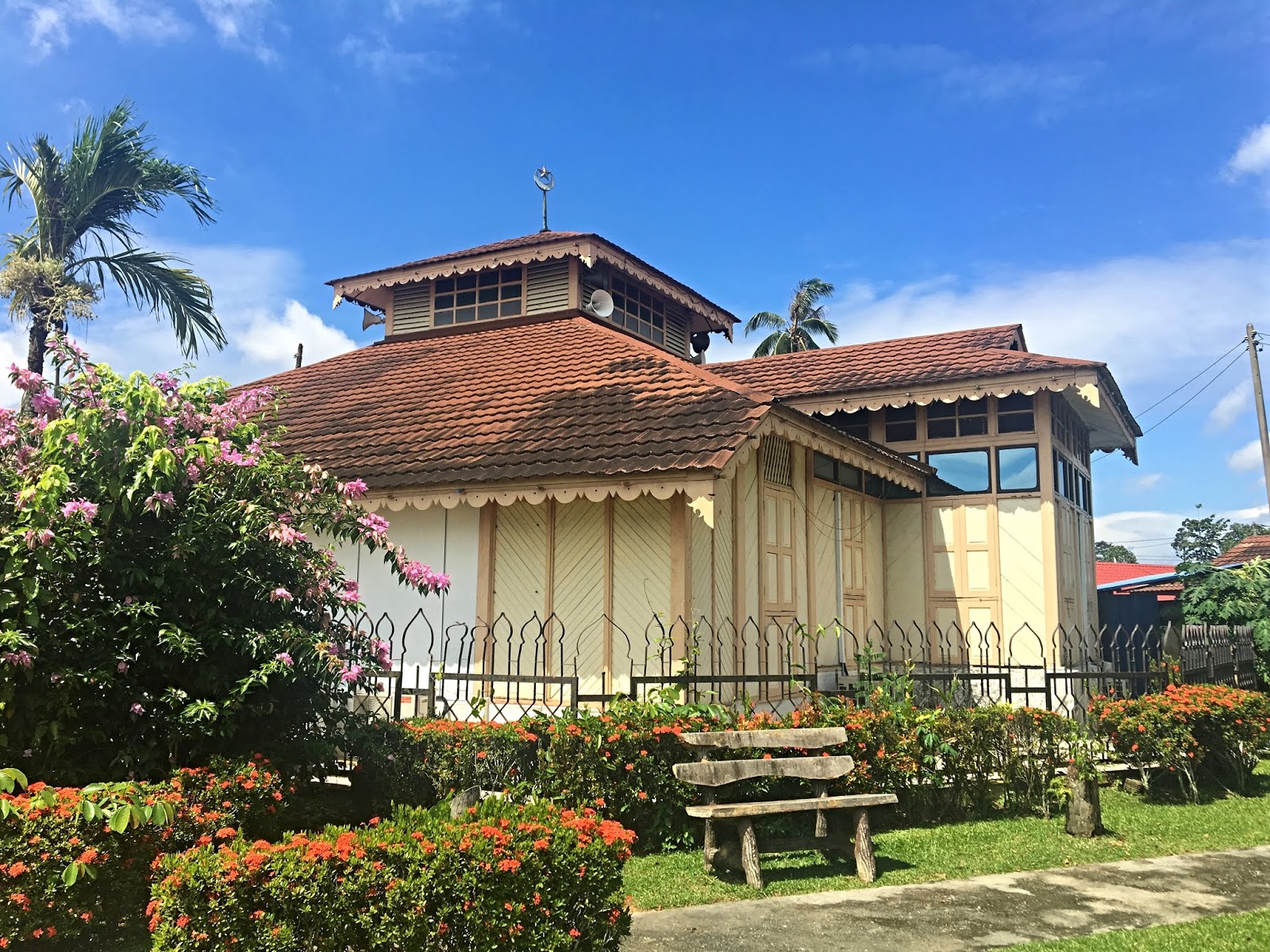
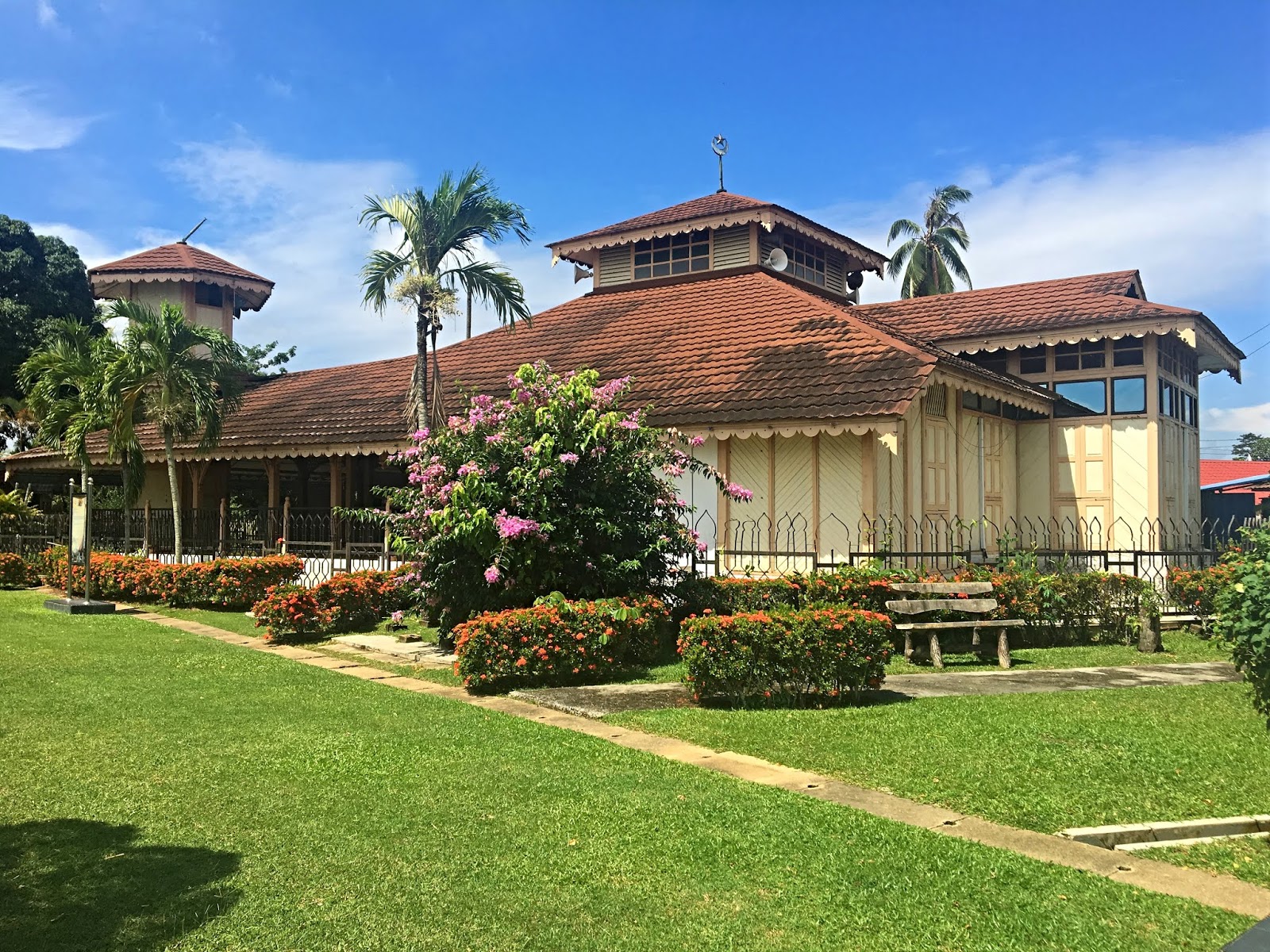
The Mosque
"Lela Rentaka" cannon
Warriors' monument
The memorial of J. W. W. Birch
The gardens
Perak river
The fattest mango tree I have ever seen!
Photography is my love affair with the simple beauty of life and precious little moments that give meaning and hope. I capture the memories and get to remember them for life. The beauty of it all is to share my treasured moments with you.
Wednesday, July 3, 2019
Monday, July 1, 2019
Mantin
Did you know that a little village named Mantin is famous for its durians?
I did not, until last weekend.
As I was driving along the main road leading into Mantin, there were long rows of durian stalls on the left and right side of the road. People were stopping and parking by the roadside just to have a taste of the variety of durians offered there.
Apparently, the Mantin durians are cheaper in price and great in quality. It's because they have hectares of durian orchards around Mantin. This is THE place for a durian buffet!
Durian lovers taking opportunities to enjoy the King of Fruit by the roadside.
Another stall in town
The Church of St. Aloysius, located along Main Road, is a Roman Catholic parish church with a Neo Gothic structure. Erected in 1901, it once housed a nunnery.
Kampung Hakka @ Hakka Village sit directly opposite St. Aloysius Church along Main Road.
The Hakka people here originated from Huizhou in Guandong, China about 120 years ago. They came here to work in the tin mines in Mantin. Today, this land has been bought over for modern development. However, some villagers are still fighting for their land and ancestral homes.
A well known Hakka restaurant named Seong Kee offers authentic home cooked Hakka food
Paku vegetables stir fried with baby anchovies.
Spicy pork
Peppered soup with pork slices and pork tummy.
Downtown Mantin
There are interesting cartoon murals from "The Adventures of Tintin" all over downtown. These murals are cute and bring smiles to my face in the hot scorching sun.
The young artist responsible for beautifying Mantin with the Tintin characters is Kweh Zi Jian. I like to dedicate a blog entry especially for him and his work.
Sunday, June 30, 2019
Kampung Hakka Mantin
I went hunting for this particular Hakka Village @ Kampung Hakka situated in Mantin, Negeri Sembilan. I had read about its history and was so eager to see how an original Hakka village looked like. Since the land was taken over for modern development 2 years ago, I was praying and hoping that I would still be able to witness remnants of the village. To my surprise and shock, there are families still living in this dilapidated village!
I read the news again and again so that I knew how to find this village. It was not difficult at all. It is situated opposite the magnificent St. Aloysius Church along the Main Road of Mantin town.
I was overjoyed to see that the Kampung Hakka board was still standing.
History of Hakka Village:
About 100 years ago, families from Huizhou in Guandong, China, travelled to Mantin to work in the tin mines. It was formerly known as Attap Village @ Kampung Atap. Once upon a time, there were about 300 families living here and it became one of the oldest Hakka settlement in the country. Today the newspaper reported that there are about 30 families still living here. My personal opinion: Maybe about 10 families are here now. I believe that these people are still fighting for their land and homes.
Walking into the village, this is the only tuck shop operating and serving the villagers.
Some houses have been destroyed.
Some were still standing tall but clearly, no one is living in it anymore.
Original Hakka houses with their family name on top of the front door.
The Chinese characters on top of the blue door (photo above) is read as "Hoong Noong", the original surname for Jong.
And then....there were houses with families still living in them!
We walked around the village cautiously after realizing that there are families still living there. We managed to talk to some people and they told us that they refused to move as modern living is just not suitable for their lifestyle. Moreover, these houses belonged to their ancestors and they want to continue living here.
I do not understand why history do not matter to our country. Instead of modern development, why don't people focus on preserving historical landmarks, especially people's homes? Historical events are what made us today. Can't just brush it off and move generations away. Kampung Hakka could be made a heritage settlement.
Attribution: Seremban.online website
Story by: Nic Falconer, 28 February 2019
The original Kampung Hakka in Mantin at its peak
Subscribe to:
Posts (Atom)